
Maintaining respiratory passability by keeping the airway open is a priority task in emergency medicine, intensive therapy and anesthesiology. Endotracheal intubation training, know intubation anatomy and main intubation steps are also essential to support breathing in certain illnesses, such as pneumonia, emphysema, heart failure, collapsed lung or severe trauma, remove blockages from the airway., get a better view of the upper airway or in some cases – protect the lungs in people who are unable to protect their airway and are at risk for breathing in fluid (aspiration).
What will you learn during the endotracheal intubation training course?
During the endotracheal intubation training course, you will learn indications for intubation, intubation anatomy and how to prepare for intubation correctly. You will be able to perform direct laryngoscopy, insert the intubation tube into the trachea correctly, and define the correct position of the tube in the trachea. In short, you will learn the main intubation steps.
The primary skills acquired
Preparation of endotracheal intubation equipment
Direct laryngoscopy
How to intubate intuitive tube into the trachea
Definition of the position of the intuitive tube
Endotracheal intubation training, designed for doctors and nurses, is clear and interactive, covering: theory, lectures, tests, practical classes in the training class. Your skills will be validated and certified by qualified mentors in the field.
Standardized approach to the patient survey, good procedural skills and teamwork ensure appropriate response in emergency and acute situations like sepsis or trauma. Structured handover of the patient improves the communication between the different specialists and results in the faster and optimal patient care.
The course "Brief neurological examination of a conscious compliant patient" provides an opportunity to independently study the theoretical material, to gain basic clinical skills in practical classes and allows you to choose a convenient time for the assessment. During this course, you will learn how to examine in a standardized way the cranial nerve and motor function, to assess reflexes and sensation, coordination, stance and gait as well as meningeal signs in a conscious compliant patient.
This course is intended for LSMU MF 6 year students.
During this course you will have an excellent opportunity for self study of the theoretical material and to develop practical skills in convenient for you time. The training will last for 1 semester, 8 topics will be studying: primary survey, respiratory arrest, emergency situations, acute coronary syndrome, spinal immobilization and management of hemorrhage, first aid for traumatic injuries, sepsis, stroke. Also you'll have opportunity to work a shift in Emergency Department.
This course is intended for LSMU MF 4 year students.
During "Practical skills in clinical medicine-IV year" course you will have an excellent opportunity for self study of the theoretical material and to develop practical skills in convenient for you time. 10 topics will be studying:
TOPIC 1. Primary surgical wound management.
TOPIC 2. Anamnesis and examination of the rheumatological patient.
TOPIC 3. Measurement of AKS and primary treatment of hypertension.
TOPIC 4. Anaphylaxis treatment.
TOPIC 5. Glycemia
TOPIC 6. Rehabilitation skills.
TOPIC 7. Determination of blood group.
TOPIC 8. Assessment of pain.
TOPIC 9. Isolated trauma.
TOPIC 10. Pulmonology.
Cardiovascular and circulatory system diseases are the most common among adult patients. Therefore, the ability to examine the structure of the cardiovascular system is necessary for doctors of all specialties. During this course, you will learn to perform a detailed, consistent and standardized cvs examination, which is necessary both for patients with cardiovascular diseases and for patients with other complaints.
During circulatory system disease course, you will learn to examine the patient, palpation, percussion, auscultation correctly. You will also learn to measure arterial brachial blood presure and properly determine the ankle-upper arm index.
Medical communication training is designed to learn how to communicate with people of all ages and in all social groups. They provide a clear outline of where to start and what information is relevant to the patients or their relatives.
How does communication affect relationships?
When arriving at the medical facility, patients often feel insecure, unsure of what will happen, anxious, and vulnerable. Many have never found themselves in an unknown environment – a hospital setting before or have never traveled or slept away from home. They feel unwell about their illness or feel pain surrounded by fast-moving strangers who, without explaining anything, lead them from place to place, undress and quietly explore their bodies, or make painful interventions.
Medical staff also feel anxious because they are tired, plagued by doubts about the treatment or research tactics they choose, constant thinking whether they performed the procedure correctly, will there be no complications, patient dissatisfaction, complaint or angry article in the newspaper. Medical staff, unlike staff in any other field, have to work with many unknowns at once, adapt to constantly changing conditions, it is a daily, constant rush, thinking about several jobs or patients at once. So how does communication affect relationships between doctors and patients?
The results of numerous scientific studies show that the main causes of patient dissatisfaction are not insufficient competence of medical personnel but rude, unemphatic behavior. Most often, patients or their relatives complain about unpleasant, rude, hasty contact, when people simply feel unheard, misunderstood, when the anxiety, pain, privacy or even safety of them or their loved ones has not been taken into account.
Benefits of effective communication in healthcare
In this course you will find out benefits of effective communication in healthcare, learn to use verbal and non-verbal language, which will help you understand and help the patient better. The patient who has been understood and heard will feel calmer, more grateful, more talkative, and will follow your recommendations and appointments willingly, as well as, knowing what, how. For how long will take place, they will save your time, without interfering with additional questions when working with other patients, thus reaching better treatment results, a more pleasant and calm working environment, and thankful and kind words from patients.
Factors that influence effective communication between doctor and patient
Factors that influence effective communication between doctor and patient can be active listening, straightforwardness, simplicity, empathy. More you will learn in our medical communication training.
Using these communication principles, doctors receive fewer complaints, feel more satisfied with their work, and experience less stress related to work, thus reducing the chances of developing burnout syndrome. According to all the principles presented in this training, communication with the patient will allow you to regain a stronger, warmer connection with patients.
Standardized approach to the patient survey, good procedural skills and teamwork ensure appropriate response in emergency and acute situations like sepsis or trauma. Structured handover of the patient improves the communication between the different specialists and results in the faster and optimal patient care.
This course is intended for LSMU MF 4 year students.
During "Practical skills in clinical medicine-IV year" course you will have an excellent opportunity for self study of the theoretical material and to develop practical skills in convenient for you time. 10 topics will be studying:
TOPIC 1. Primary surgical wound management.
TOPIC 2. Anamnesis and examination of the rheumatological patient.
TOPIC 3. Measurement of AKS and primary treatment of hypertension.
TOPIC 4. Anaphylaxis treatment.
TOPIC 5. Glycemia
TOPIC 6. Rehabilitation skills.
TOPIC 7. Determination of blood group.
TOPIC 8. Assessment of pain.
TOPIC 9. Isolated trauma.
TOPIC 10. Pulmonology.
Maintaining respiratory passability by keeping the airway open is a priority task in emergency medicine, intensive therapy and anesthesiology. Endotracheal intubation training, know intubation anatomy and main intubation steps are also essential to support breathing in certain illnesses, such as pneumonia, emphysema, heart failure, collapsed lung or severe trauma, remove blockages from the airway., get a better view of the upper airway or in some cases – protect the lungs in people who are unable to protect their airway and are at risk for breathing in fluid (aspiration).
What will you learn during the endotracheal intubation training course?
During the endotracheal intubation training course, you will learn indications for intubation, intubation anatomy and how to prepare for intubation correctly. You will be able to perform direct laryngoscopy, insert the intubation tube into the trachea correctly, and define the correct position of the tube in the trachea. In short, you will learn the main intubation steps.
The primary skills acquired
Preparation of endotracheal intubation equipment
Direct laryngoscopy
How to intubate intuitive tube into the trachea
Definition of the position of the intuitive tube
Endotracheal intubation training, designed for doctors and nurses, is clear and interactive, covering: theory, lectures, tests, practical classes in the training class. Your skills will be validated and certified by qualified mentors in the field.
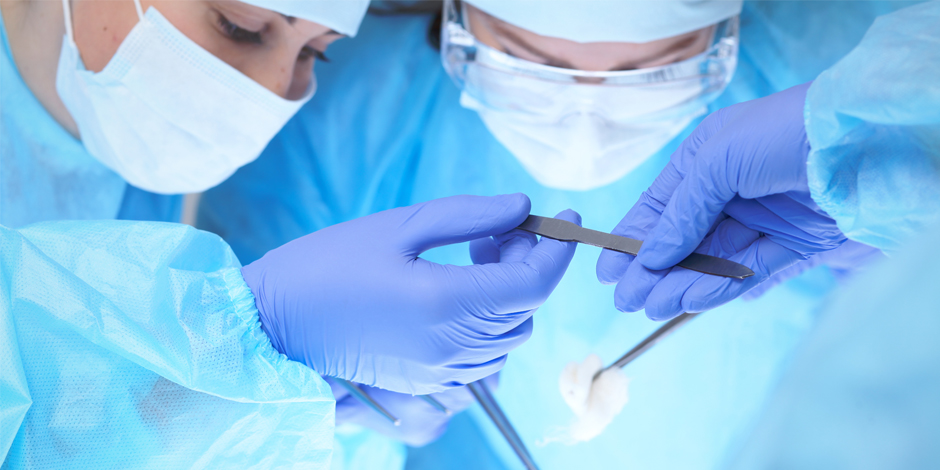
Standardized approach to the patient survey, good procedural skills and teamwork ensure appropriate response in emergency and acute situations like sepsis or trauma. Structured handover of the patient improves the communication between the different specialists and results in the faster and optimal patient care.
Medical communication training is designed to learn how to communicate with people of all ages and in all social groups. They provide a clear outline of where to start and what information is relevant to the patients or their relatives.
How does communication affect relationships?
When arriving at the medical facility, patients often feel insecure, unsure of what will happen, anxious, and vulnerable. Many have never found themselves in an unknown environment – a hospital setting before or have never traveled or slept away from home. They feel unwell about their illness or feel pain surrounded by fast-moving strangers who, without explaining anything, lead them from place to place, undress and quietly explore their bodies, or make painful interventions.
Medical staff also feel anxious because they are tired, plagued by doubts about the treatment or research tactics they choose, constant thinking whether they performed the procedure correctly, will there be no complications, patient dissatisfaction, complaint or angry article in the newspaper. Medical staff, unlike staff in any other field, have to work with many unknowns at once, adapt to constantly changing conditions, it is a daily, constant rush, thinking about several jobs or patients at once. So how does communication affect relationships between doctors and patients?
The results of numerous scientific studies show that the main causes of patient dissatisfaction are not insufficient competence of medical personnel but rude, unemphatic behavior. Most often, patients or their relatives complain about unpleasant, rude, hasty contact, when people simply feel unheard, misunderstood, when the anxiety, pain, privacy or even safety of them or their loved ones has not been taken into account.
Benefits of effective communication in healthcare
In this course you will find out benefits of effective communication in healthcare, learn to use verbal and non-verbal language, which will help you understand and help the patient better. The patient who has been understood and heard will feel calmer, more grateful, more talkative, and will follow your recommendations and appointments willingly, as well as, knowing what, how. For how long will take place, they will save your time, without interfering with additional questions when working with other patients, thus reaching better treatment results, a more pleasant and calm working environment, and thankful and kind words from patients.
Factors that influence effective communication between doctor and patient
Factors that influence effective communication between doctor and patient can be active listening, straightforwardness, simplicity, empathy. More you will learn in our medical communication training.
Using these communication principles, doctors receive fewer complaints, feel more satisfied with their work, and experience less stress related to work, thus reducing the chances of developing burnout syndrome. According to all the principles presented in this training, communication with the patient will allow you to regain a stronger, warmer connection with patients.